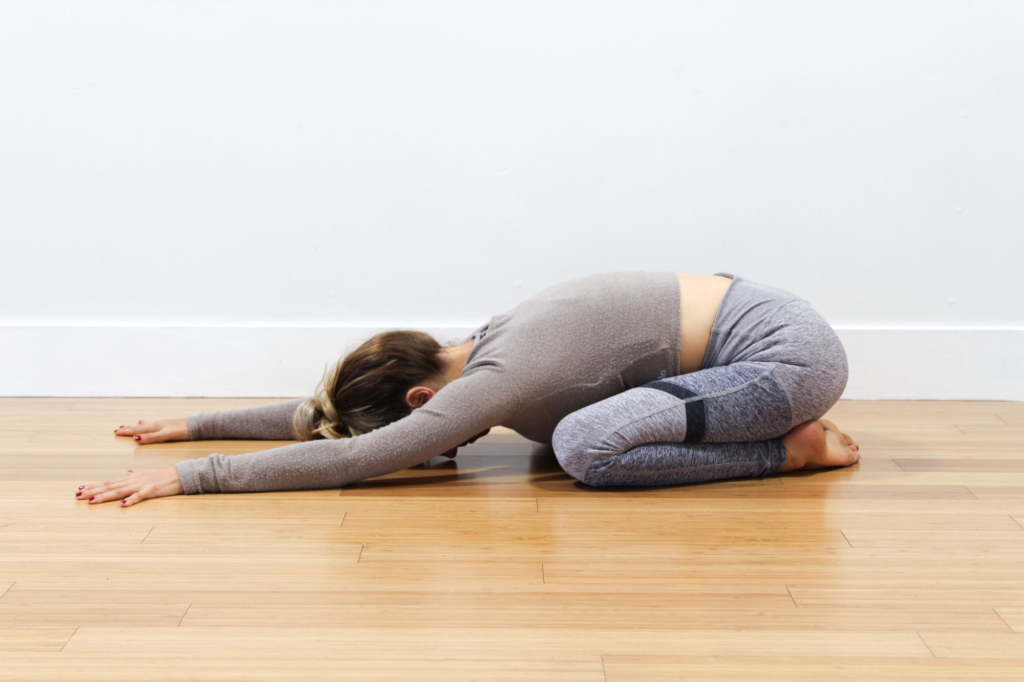
Child’s Pose has a reputation that’s almost too gentle for its own good. It’s often introduced as a rest position, something you drop into when a flow becomes too intense or when you need a moment to breathe. In most classes, it’s the safe place. The pause button.
But that reputation can be misleading.
Because the truth is, Child’s Pose isn’t just a passive position you collapse into. Done well, it’s a deeply restorative shape that supports the spine, softens the nervous system, and creates space in the body. Done poorly, it becomes little more than a habit. Comfortable, maybe, but not particularly effective.
The mistakes people make in Child’s Pose are rarely obvious. They don’t feel like mistakes and instead feel like “resting.” And that’s exactly why they go unnoticed.
Why Child’s Pose Is More Than Just a Break
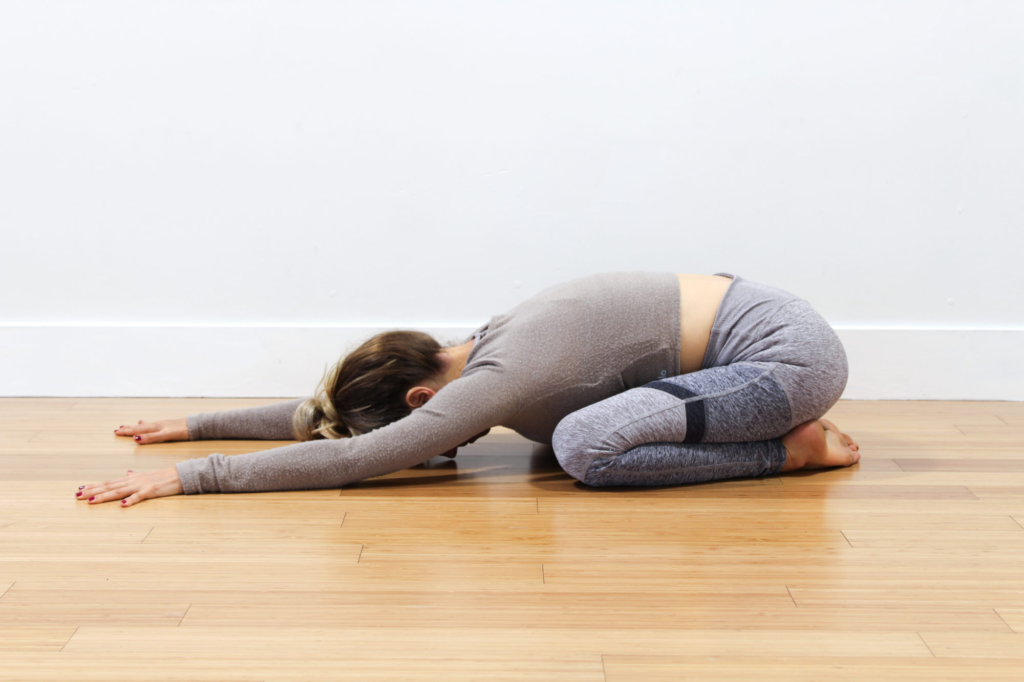
Before getting into the details, it helps to understand what this pose is actually doing.
At its core, Child’s Pose gently lengthens the spine, releases tension in the lower back, and encourages slow, diaphragmatic breathing. It’s also one of the few poses where the body naturally folds inward, which can create a sense of calm that goes beyond the physical.
That said, the benefits depend heavily on how you position yourself. Small adjustments can change the entire experience. When those details are overlooked, the pose loses much of what makes it valuable.
Mistake #1: Collapsing Into the Lower Back
One of the most common habits is sinking too heavily into the hips without maintaining any awareness through the spine. It feels relaxing at first. You fold forward, let your torso drop, and allow gravity to take over.
But when the lower back rounds excessively and the pelvis tilts too far back, the stretch becomes uneven. Instead of lengthening the spine, you’re compressing parts of it.
A more supportive approach is to think of gently reaching your tailbone back while allowing your chest to soften forward. It’s not about forcing alignment. It’s about maintaining a subtle sense of length, even in a resting pose.
Mistake #2: Forcing the Hips to Touch the Heels
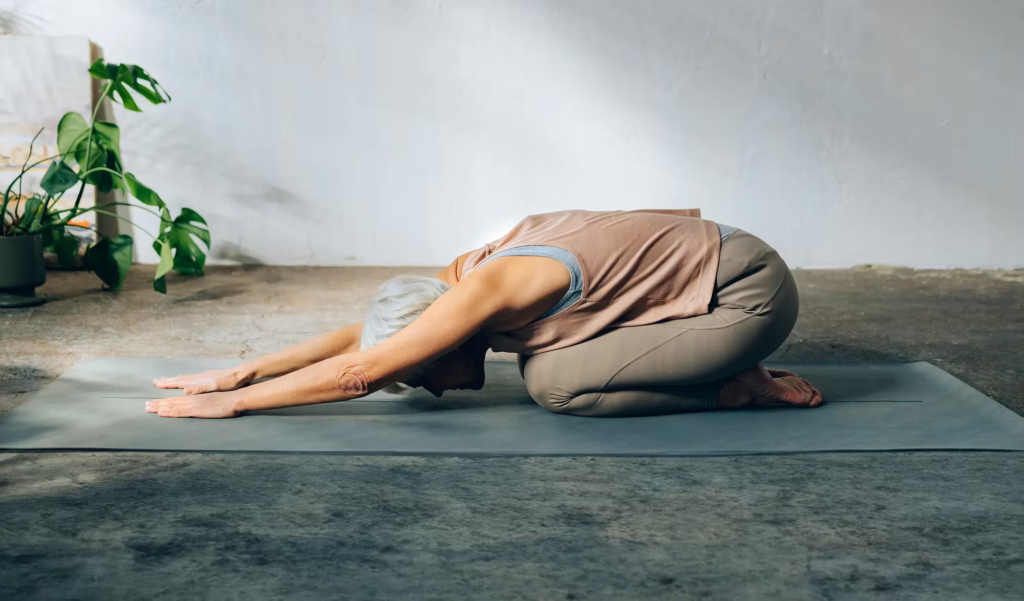
There’s a quiet expectation in many yoga classes that your hips should rest fully on your heels in Child’s Pose. When that doesn’t happen, people tend to push or force their body into position.
The reality is that hip mobility varies. For some, especially those with tight hips or thighs, that connection isn’t immediately available.
Forcing it creates tension where the pose is meant to release it.
If your hips hover, that’s fine. Placing a cushion, folded blanket, or block between your hips and heels can provide support without strain. It’s a small adjustment, but it changes the entire feel of the pose.
Mistake #3: Holding Tension in the Shoulders
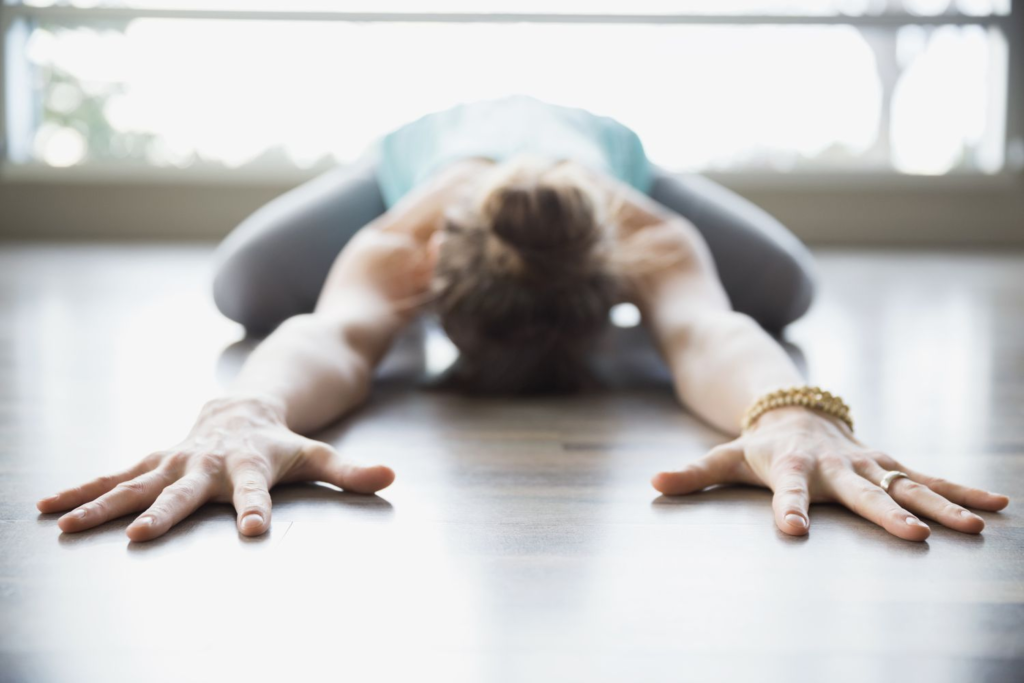
It’s easy to forget about the upper body in Child’s Pose. The focus tends to be on the hips and back, so the shoulders are left to do whatever they happen to be doing.
Often, that means subtle tension remains. The arms are extended, but the shoulders are slightly lifted, or the neck feels tight.
You might not notice it immediately, but over time, that tension adds up.
Letting the shoulders truly soften, whether your arms are stretched forward or resting alongside your legs, makes a noticeable difference. The pose begins to feel less like a stretch and more like a release.
Mistake #4: Treating It as a Passive Collapse
This is the most common and least talked about mistake.
Child’s Pose is often treated as a complete collapse. You drop into it, disengage everything, and wait until you’re ready to move again. There’s nothing inherently wrong with resting, but when the pose becomes entirely passive, it loses its structure.
A better way to think about it is “active rest.”
You’re not holding tension, but you’re also not completely disconnected. There’s a quiet awareness in the way your body is placed. A sense that you’re still participating in the pose, even as you relax.
That subtle engagement helps maintain alignment without turning the pose into effort.
Mistake #5: Ignoring Breath
Breathing is often mentioned in yoga, but in Child’s Pose, it becomes central.
When the torso folds over the thighs, the breath naturally shifts. The back body expands with each inhale, creating space between the ribs and along the spine.
But many people default to shallow breathing, especially if the position feels tight or unfamiliar.
Slowing the breath, allowing it to move into the back of the body, changes the entire experience. The pose becomes less about holding a shape and more about creating internal space.
It’s one of the simplest adjustments, and one of the most effective.
Mistake #6: Forcing the Forehead to the Floor
Another small detail that often goes overlooked.
In many instructions, you’re told to rest your forehead on the mat. It’s a helpful cue, but it doesn’t always match your body’s current range of motion.
When the forehead doesn’t naturally reach the floor, people tend to strain their neck or collapse further into the shoulders to make it happen.
A block, cushion, or even stacked hands can bring the floor closer to you. That support allows the neck to relax properly, which in turn helps the entire upper body soften.
Mistake #7: Choosing the Wrong Variation Without Realising It
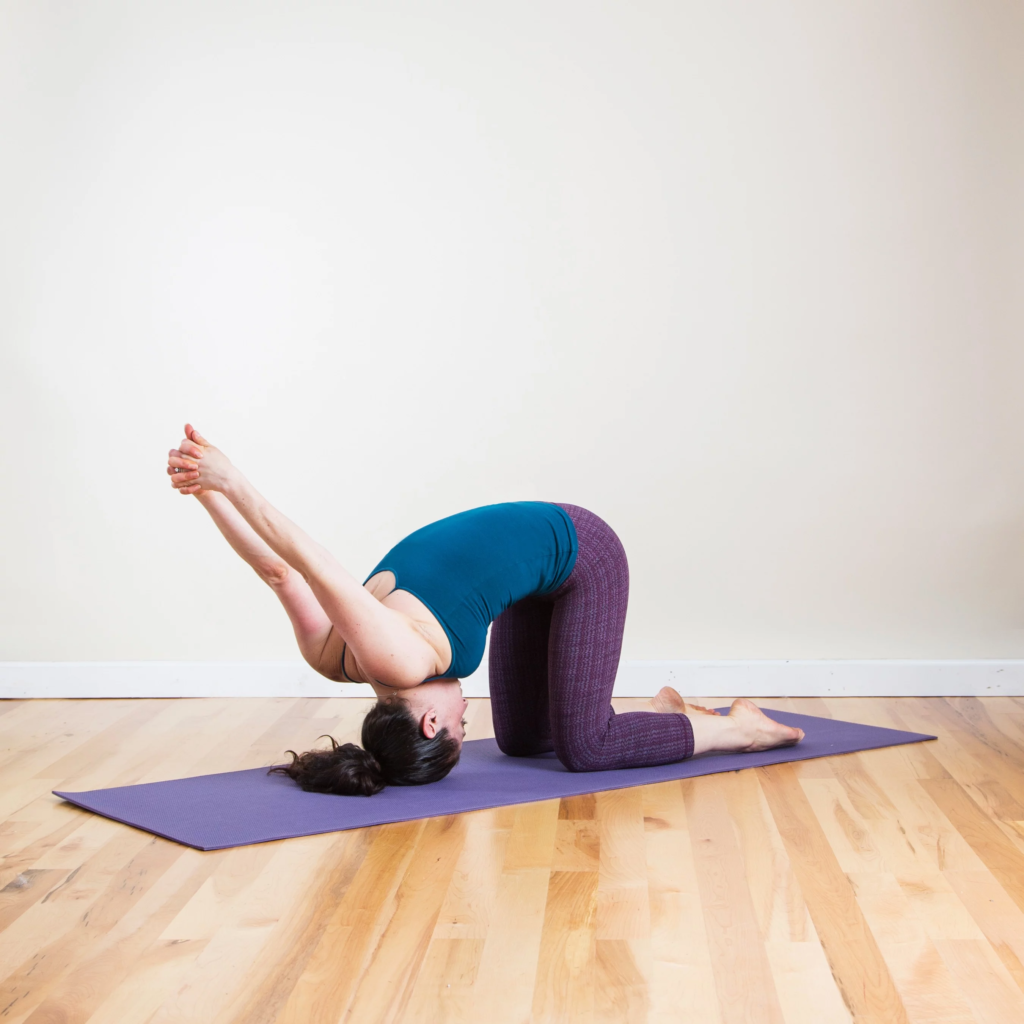
Child’s Pose isn’t a single fixed shape. There are variations, and each one changes the emphasis slightly.
Knees together creates a more compact position, often focusing on the lower back. Knees wider allows the torso to settle between the thighs, which can feel more spacious and accessible for breathing.
Arms extended forward creates a gentle stretch through the shoulders and sides of the body. Arms resting back alongside the legs shifts the pose into a more inward, restorative experience.
The mistake isn’t choosing one over the other. It’s not being intentional about it. Different days call for different variations. Recognising that flexibility in the pose makes it far more useful.
Mistake #8: Staying Too Long or Not Long Enough
Child’s Pose is often used as a pause, but how long you stay can affect what you get from it.
Some people move out of it too quickly, treating it as a brief reset before jumping back into movement. Others linger, but without awareness, drifting into a kind of passive stillness that doesn’t actively support the body.
There’s no strict timing rule, but staying long enough to let your breath slow down, to feel the body soften, usually brings more benefit than treating it as a quick break.
At the same time, if the pose starts to feel uncomfortable or stagnant, it’s a sign to move.
What Child’s Pose Should Actually Feel Like
When everything comes together, Child’s Pose feels quietly supportive.
The spine lengthens without strain. The hips settle without being forced. The shoulders soften. The breath deepens, not because you’re trying to control it, but because the position allows it.
There’s a sense of ease, but also a subtle awareness that you’re still present in the pose.
It’s not dramatic. It’s not intense. But it’s effective in a way that builds over time.
Why These Small Details Matter
It’s easy to overlook a pose like Child’s Pose because it doesn’t demand much on the surface. But that’s exactly why it deserves attention.
In many ways, it reflects how you approach the rest of your practice. Whether you move with awareness or habit. Whether you listen to your body or push it into positions it isn’t ready for.
Fixing these small mistakes doesn’t just improve one pose. It shifts how you experience yoga as a whole.
FAQ: Child’s Pose (Balasana)
Is Child’s Pose supposed to be completely relaxing?
It should feel restful, but not like a complete collapse. There’s a gentle sense of alignment and awareness even as the body relaxes.
What if my hips don’t touch my heels?
That’s normal. Using a cushion or block for support helps maintain comfort without forcing the position.
Should my arms be forward or by my sides?
Both are valid. Arms forward create a stretch, while arms by your sides make the pose more restorative.
Why do I feel tight or uncomfortable in Child’s Pose?
It often comes down to alignment, lack of support, or holding tension in the shoulders and breath.
How long should I stay in Child’s Pose?
Long enough for your breath to slow and your body to soften. This can range from a few breaths to a couple of minutes, depending on your practice.