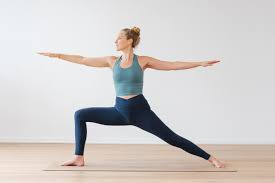
If you’ve ever tried to “get into yoga,” you’ve probably run into a strange problem. It isn’t a lack of options. It’s the opposite. There are so many styles, each described with its own language, pace, and philosophy, that choosing one can feel oddly intimidating. One class promises calm and stillness. Another talks about heat, intensity, and sweat. Somewhere in between, you’re left wondering which version of yoga you’re actually supposed to be doing.
The truth is that “yoga” isn’t a single practice. It’s a broad umbrella that has evolved over time, shaped by different teachers, cultures, and modern lifestyles. What you experience in a quiet, slow-paced class can feel worlds apart from a fast-moving, physically demanding session. And yet, they all trace back to the same roots.
Understanding the different types of yoga isn’t just about labels. It helps you find a style that fits your body, your schedule, and the way you like to move. More importantly, it shapes whether you’ll stick with it.
Hatha Yoga: The Starting Point Most People Don’t Realise They’re Doing
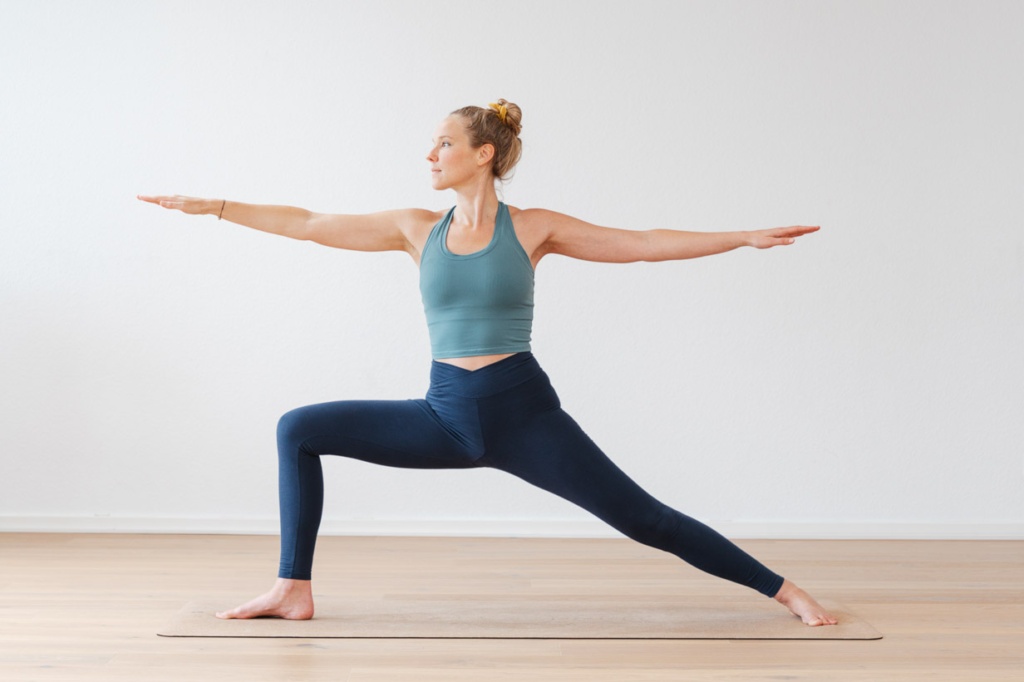
Hatha is often described as “beginner-friendly,” but that label doesn’t quite capture what it is. Traditionally, the word refers to the physical aspect of yoga practice, meaning that many modern styles technically fall under it. In studios today, though, Hatha classes tend to be slower and more deliberate.
You move through poses at a measured pace, with time to understand how each position feels. There’s less emphasis on flowing sequences and more attention to alignment and breathing. For someone new, this can be grounding. You’re not rushed. You’re not trying to keep up. You’re learning how your body responds.
The experience can feel almost instructional at times. It’s less about intensity and more about awareness. For people who prefer clarity over speed, Hatha offers a steady introduction without overwhelming you.
Vinyasa Yoga: Movement That Feels Like a Rhythm
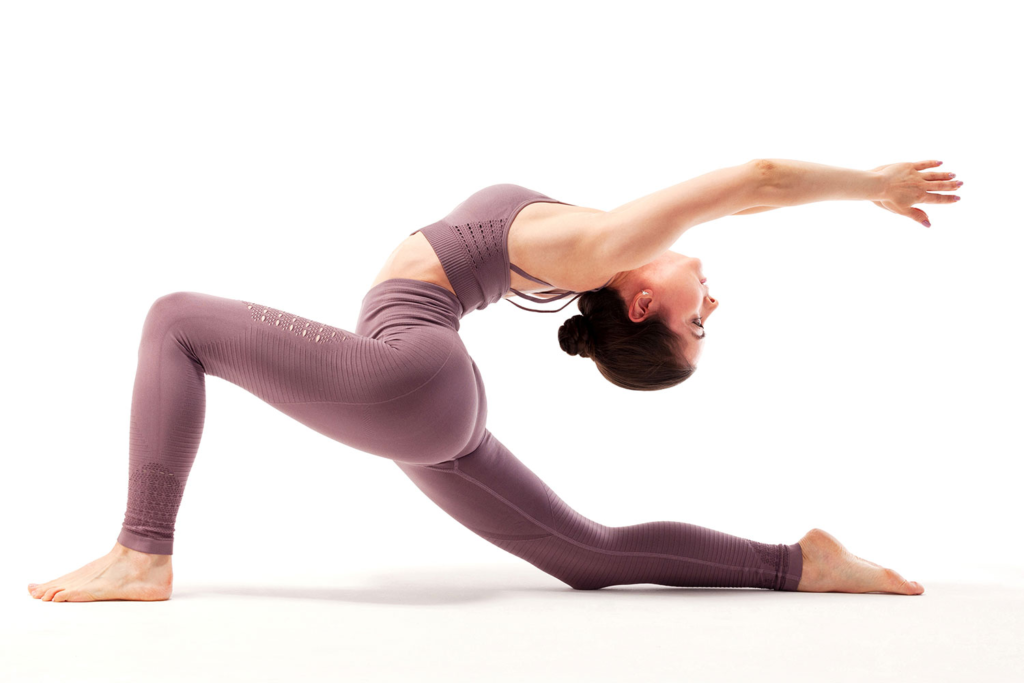
If Hatha is about holding and understanding, Vinyasa is about moving. Classes are built around sequences where one pose transitions into another, guided by breath. The pace can vary depending on the instructor, but there’s usually a sense of flow that keeps things continuous.
It’s often described as “dynamic,” though that can mean different things in practice. Some classes feel almost meditative, with smooth, unhurried transitions. Others lean toward a more intense, workout-like experience.
What makes Vinyasa appealing is that it doesn’t feel repetitive in the same way. Sequences change. The body stays engaged. You’re less likely to feel stuck doing the same poses over and over, even if certain foundations repeat.
At the same time, that constant movement can be challenging for beginners. Without a solid understanding of alignment, it’s easy to move quickly without fully knowing what each pose should feel like.
Ashtanga Yoga: Structured, Demanding, and Deeply Disciplined
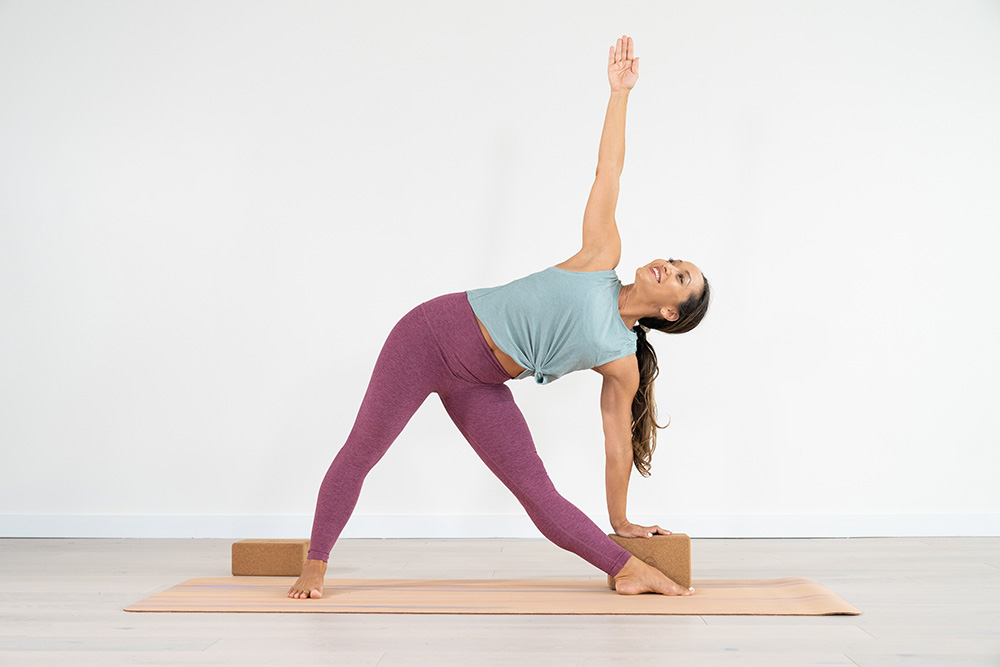
Ashtanga has a reputation for being intense, and not without reason. It follows a fixed sequence of poses, performed in the same order every time. There’s no variation, no improvisation. You progress only when you’ve developed enough strength and control in the current sequence.
For some people, this structure is exactly what they need. It removes decision fatigue. You don’t have to think about what comes next. You show up, follow the sequence, and gradually build mastery through repetition.
But it can also feel physically demanding, especially early on. The pace is steady, and the sequences require both strength and flexibility. There’s an expectation of commitment that not everyone finds appealing.
Ashtanga tends to attract those who enjoy discipline and routine. It’s less about variety and more about depth, refining the same movements until they become second nature.
Yin Yoga: Slowing Down to a Different Kind of Intensity
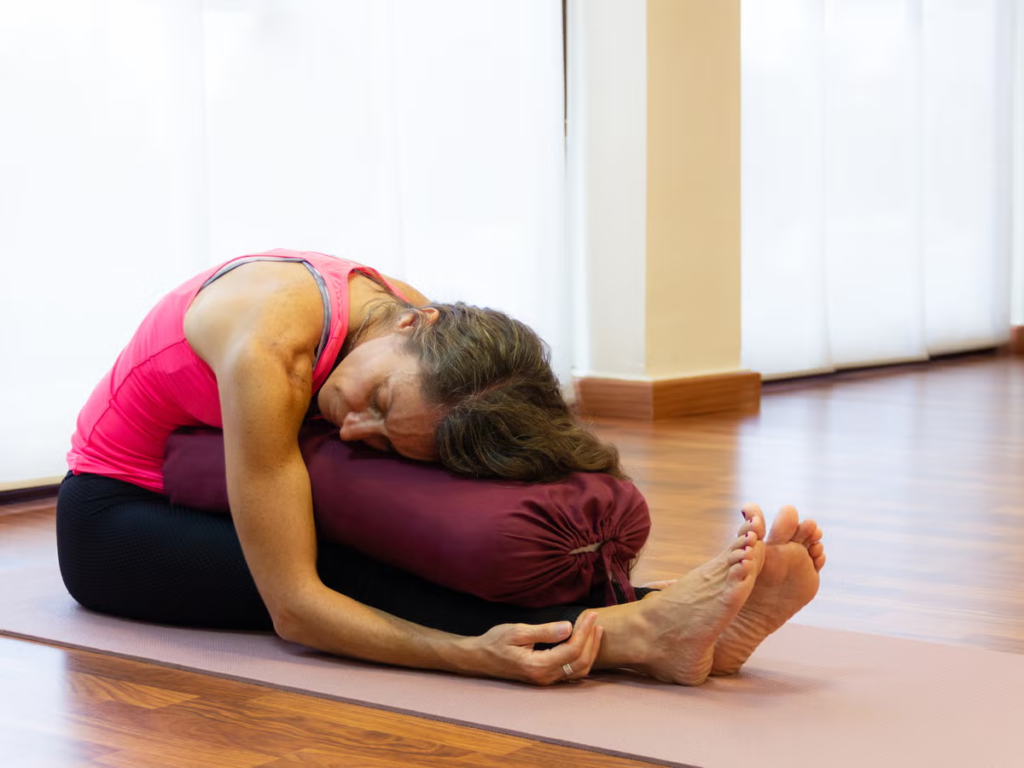
Yin yoga looks deceptively simple. Poses are held for longer periods, sometimes several minutes, with the goal of targeting deeper connective tissues rather than muscles. From the outside, it appears gentle. In reality, it can feel surprisingly intense.
When you stay in a pose for that long, you begin to notice sensations you might usually move past. Tightness, resistance, subtle discomfort. The challenge isn’t just physical. It’s mental. Staying still requires patience, and for many people, that’s harder than holding a strong plank.
Yin works well as a complement to more active forms of yoga or other workouts. It gives the body space to release tension gradually. It also creates a different kind of awareness, one that isn’t driven by movement but by stillness.
Restorative Yoga: When Yoga Becomes Rest
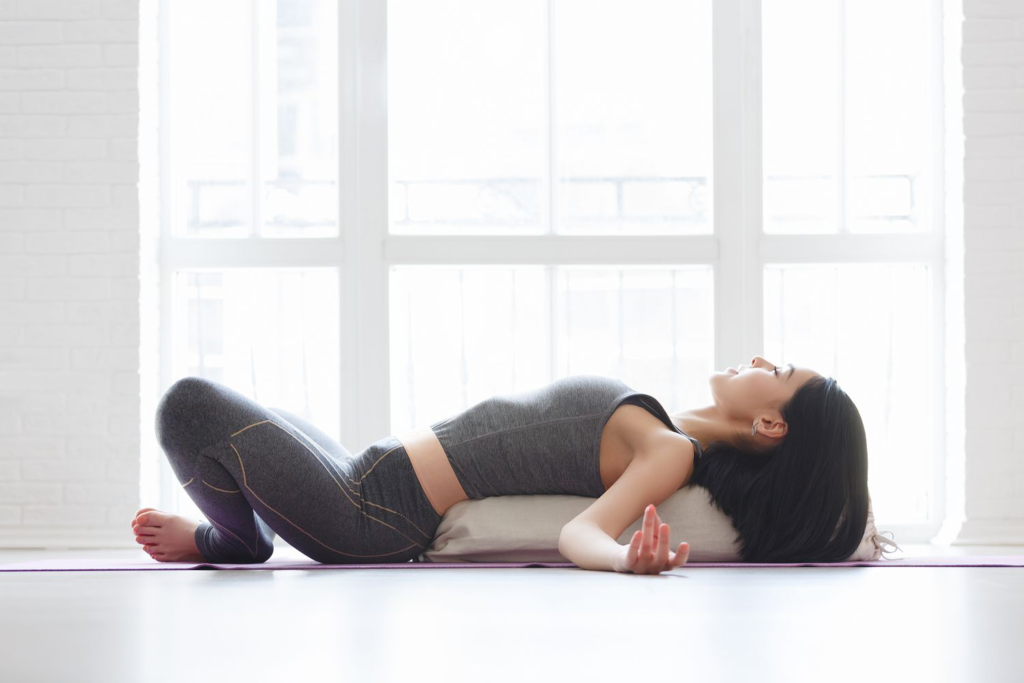
Restorative yoga takes the idea of slowing down even further. Poses are supported with props such as bolsters, blankets, and blocks, allowing the body to relax completely. There’s minimal effort involved. The focus is on rest, recovery, and nervous system regulation.
This style is often misunderstood. People expect yoga to feel active, even challenging. Restorative yoga asks you to do the opposite. To let go of effort. To stay still. To allow the body to settle without trying to achieve anything.
For those dealing with stress, fatigue, or burnout, this can be deeply beneficial. It’s less about physical progress and more about recovery. The kind that doesn’t always come from sleep alone.
Power Yoga: A More Modern, Fitness-Oriented Approach
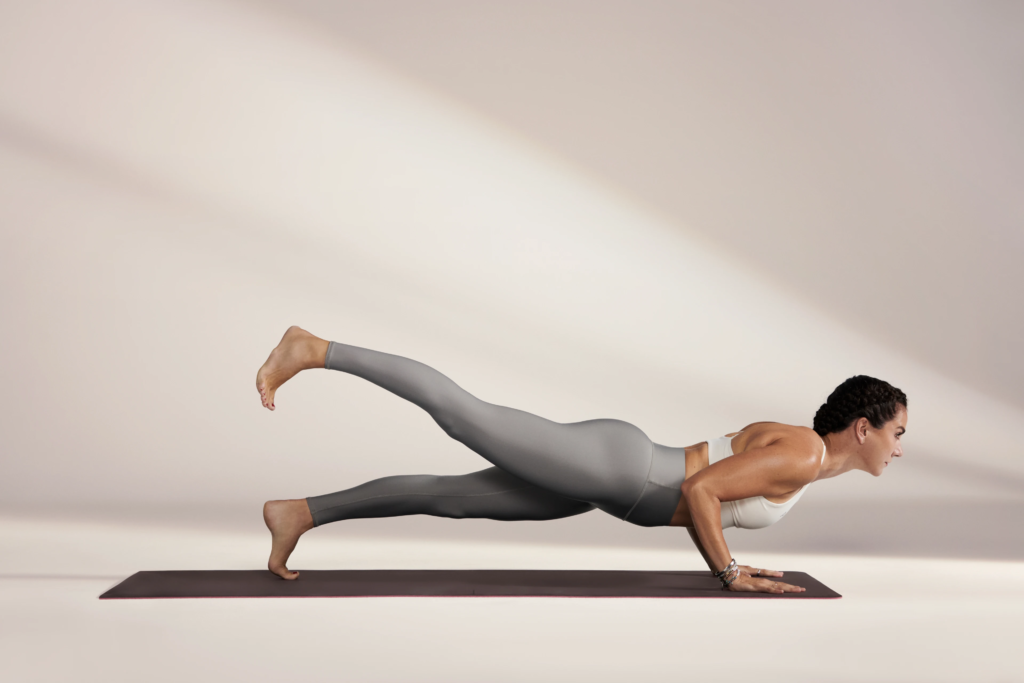
Power yoga grew out of more traditional styles but leans heavily into strength and intensity. Classes are typically faster-paced, with a focus on building endurance and engaging the entire body.
It’s the version of yoga that often appeals to people coming from a fitness background. There’s sweat, effort, and a sense of pushing limits. The sequences may resemble Vinyasa, but with a stronger emphasis on physical challenge.
The downside is that the focus on intensity can sometimes overshadow technique. Without proper attention to alignment, it’s easy to treat the practice like a workout and miss some of the deeper benefits.
Still, for those who enjoy movement that feels purposeful and physically engaging, power yoga can be a strong entry point.
Bikram and Hot Yoga: Heat Changes the Experience
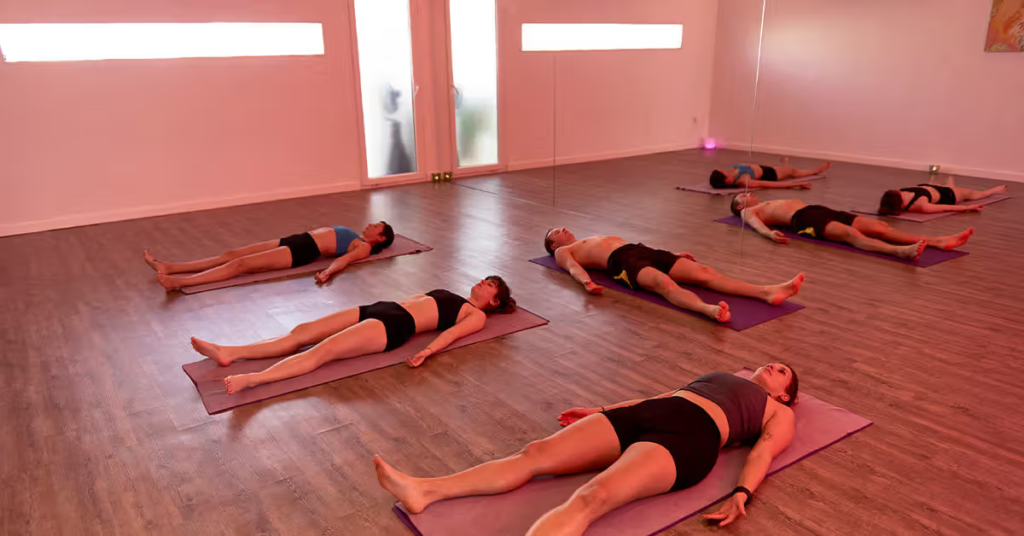
Hot yoga introduces an environmental factor that shifts how the body responds. Classes are conducted in heated rooms, often with high humidity. The idea is that heat increases flexibility, encourages sweating, and creates a more demanding physical experience.
Bikram yoga, a specific form of hot yoga, follows a fixed sequence of 26 poses. Other hot yoga classes may vary in structure but maintain the heated environment.
The heat can make movements feel easier in some ways, especially when it comes to flexibility. But it also adds a layer of intensity. Hydration becomes important. So does pacing yourself.
For some, the experience feels cleansing and energising. For others, it can feel overwhelming. It’s not a style that suits everyone, especially those sensitive to heat or new to physical practice.
Kundalini Yoga: A Different Direction Entirely
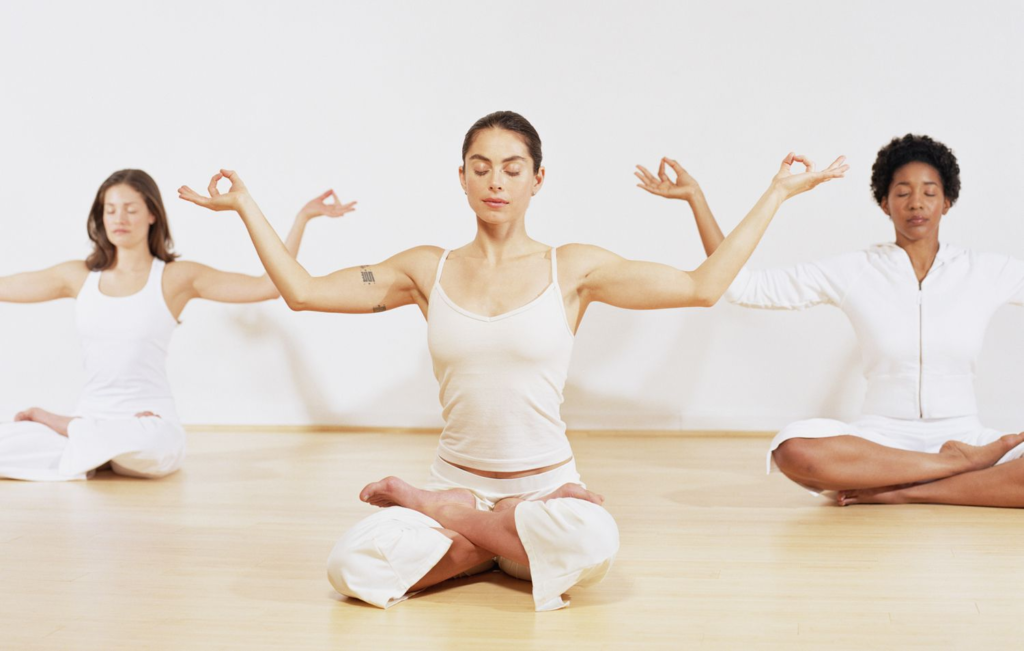
Kundalini yoga stands apart from more physically focused styles. While it includes movement, it places strong emphasis on breathwork, chanting, and meditation. The goal is often described in terms of energy, awareness, and inner transformation.
Classes can feel unfamiliar if you’re expecting a typical yoga session. There may be repetitive movements, guided breathing patterns, or vocal elements that take time to get used to.
For those open to it, Kundalini offers a more introspective experience. It’s less about how the body looks in a pose and more about how the practice affects your internal state.
Iyengar Yoga: Precision and Detail
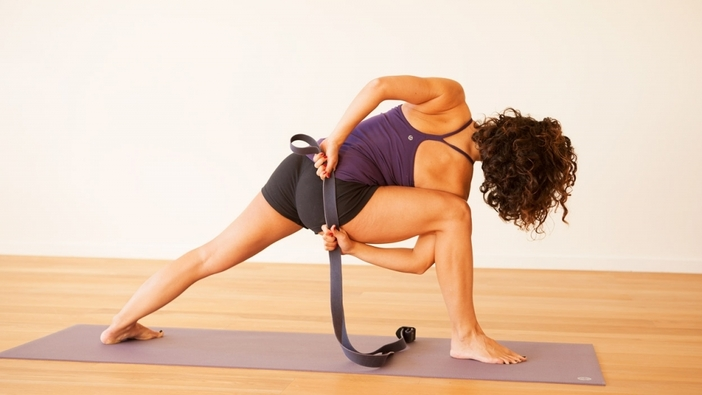
Iyengar yoga is known for its focus on alignment and the use of props. Every pose is approached with attention to detail, often broken down into smaller components to ensure correct positioning.
This style is particularly helpful for beginners who want to understand the mechanics of each pose. It’s also beneficial for those recovering from injuries or dealing with physical limitations, as props provide support and accessibility.
Classes can feel slower, but the depth of instruction makes up for it. You’re not just moving through poses. You’re learning how to inhabit them properly.
So, Which Type of Yoga Is Right for You?
There’s a tendency to look for the “best” type of yoga, as if there’s a single answer that fits everyone. In reality, the right choice depends on what you’re looking for at this moment.
If you want to learn the basics and build confidence, slower styles like Hatha or Iyengar provide a strong foundation. If you prefer movement and variety, Vinyasa offers a more fluid experience. If you’re drawn to structure and discipline, Ashtanga might resonate. If your body needs rest or recovery, Yin and restorative practices can be surprisingly powerful.
And sometimes, what you need changes over time. The style that felt right at the beginning may not feel the same months later.
Yoga isn’t static. It evolves with you.
FAQ: Types of Yoga Explained
What is the best type of yoga for beginners?
Slower-paced styles like Hatha or Iyengar are often easier to start with because they focus on alignment and give you time to understand each pose.
Which type of yoga is best for weight loss or fitness?
More dynamic styles such as Vinyasa or power yoga tend to be more physically demanding and can support fitness goals when practiced consistently.
Is Yin yoga enough on its own?
Yin can improve flexibility and recovery, but it’s often most effective when combined with more active forms of movement.
What is the difference between hot yoga and regular yoga?
Hot yoga is practiced in a heated room, which can increase flexibility and intensity. Regular yoga is done at normal room temperature and may feel more accessible for beginners.
Do you need to stick to one type of yoga?
Not at all. Many people combine different styles depending on their needs, energy levels, and goals.